
What makes a good landing page is not just design. A strong landing page needs clear intent, a strong value proposition, low friction, and a page experience that makes the next step easy for the visitor.
SEONetwork looks at landing page quality through the elements that actually shape performance: message clarity, trust signals, usability, and conversion focus.
What Is a Landing Page?
A landing page is a focused web page designed around a specific goal. Unlike a homepage, which often introduces multiple parts of a business at once, a landing page is usually built to move one audience toward one primary action.
That action might be submitting a form, requesting a demo, booking a consultation, starting a trial, downloading a guide, or making a purchase. The exact purpose can vary, but the structure remains similar. A landing page is meant to narrow attention rather than divide it.
This is one reason the question what a landing page is matters beyond the definition itself. A landing page is not simply any page a user lands on. In a practical marketing sense, it is a page with a clear purpose, a defined audience, and a conversion path that supports a business outcome.
A landing page does not have to be short or minimalist to work well. What matters is that every part of the page supports the same objective. The message, layout, and call to action should all help visitors understand why they are there and what they should do next.
What Is a Landing Page Conversion?
When people ask what a landing page conversion is, they are usually asking what counts as success on the page.
A landing page conversion is the action a visitor completes that aligns with the page’s main goal. For some businesses, that conversion is a purchase. For others, it may be a lead form submission, a booked meeting, a trial sign-up, a newsletter subscription, or a click into a deeper commercial page.
In other words, conversion is not limited to revenue alone. It is any meaningful action that moves the visitor closer to the desired outcome.
This distinction is important because landing page performance is often misunderstood. A page can attract traffic and still underperform if it does not help users take the next step. On the other hand, a page with lower traffic can still create strong business value if the visitors it receives are well matched to the offer and the page makes action feel natural.
That is why conversion should be viewed as a reflection of page quality, not just a number in a report. A landing page converts well when it reduces hesitation, makes the offer easy to understand, and supports the user’s decision-making process.
What Is an SEO Landing Page?
An SEO landing page is a landing page built to attract relevant organic traffic from search engines while also supporting a clear conversion goal.
This matters because not every landing page is designed for the same traffic source. Some pages are created mainly for paid ads, email campaigns, or direct outreach. An SEO landing page is different because it has to do two things at once. It must answer the search query well enough to earn visibility and engagement, and it must also make the next step logical once the visitor arrives.
That is the practical answer to what is SEO landing page in real-world terms. It is not just a page with keywords. It is a page that matches search intent, offers useful content, and creates a clear path toward action.
A strong SEO landing page usually includes a clear topical focus, a logical heading structure, strong message alignment, readable content, and a CTA that fits the visitor’s likely stage of awareness. If the page ranks but does not convert, its value is limited. If it converts well but never attracts qualified traffic, it is also limited. The best SEO landing pages do both.
>>> READ MORE: Buy Backlinks, Buy Guest Posts & Backlink Services | SEONetwork
Why Some Landing Pages Perform Well, and Others Do Not?
Many landing pages fail quietly. They look clean, contain the expected sections, and may even follow popular design patterns, yet they still produce weak conversion rates.
The reason is often not an obvious technical failure. More often, the problem is misalignment.
A user arrives with a specific expectation. They may want information, reassurance, comparison, or a solution to a defined problem. If the landing page does not meet that expectation quickly, the page begins to lose momentum. A strong design cannot compensate for vague messaging. A visible CTA cannot solve a weak value proposition. And a well-placed form does not matter much if the user never feels sure that completing it is worth the effort.
Good landing pages work because they remove unnecessary doubt. They answer the right questions in the right order. They help visitors understand what is being offered, why it matters, and what happens next. The page feels coherent because its message, structure, and intent are aligned.
What Makes a Good Landing Page?
A good landing page helps the right visitor make the right decision with as little friction as possible.
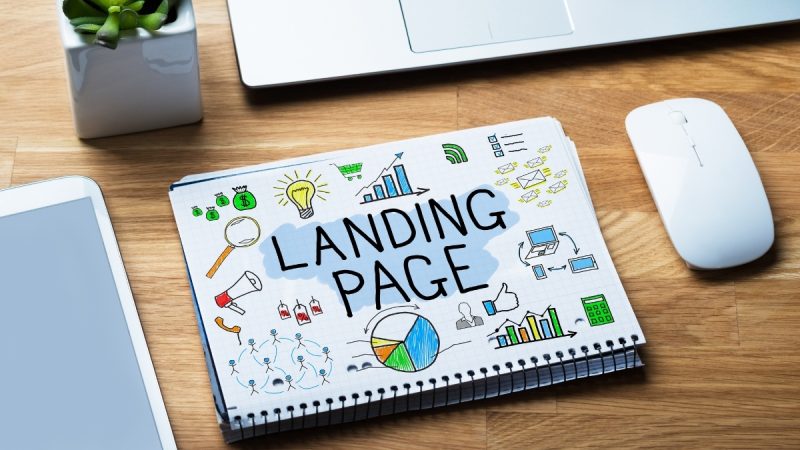
That does not mean every visitor must convert immediately. It means the page should support progress. Sometimes that progress is a direct action, such as booking a call or completing a purchase. In other cases, it may be a softer next step, such as reading more, requesting details, or exploring a related service. What matters is that the page feels purposeful and clear.
It matches user intent from the beginning
The first job of a landing page is not persuasion. It is confirmation.
When someone lands on the page, they should immediately feel that they are in the right place. If they searched for a definition, the page should explain the topic clearly. If they clicked on an offer, the page should reflect that offer without delay. If they came from a comparison-oriented keyword, the content should help them evaluate rather than push too hard too soon.
This early alignment matters because it shapes trust. When the page matches intent, users are more likely to keep reading. When it does not, they often leave before the rest of the content has a chance to work.
It makes the value clear quickly
Many landing pages underperform because they bury the value inside vague or overly broad messaging. Visitors should not have to interpret the page to understand what is being offered.
A strong landing page communicates the benefit in direct language. It tells users what the page is about, who it is for, and why it may matter to them. This does not require aggressive copywriting. It requires clarity.
When the value is clear, the rest of the page becomes easier to trust. When the value is unclear, even a well-designed page can feel empty.
It stays focused on one main goal
A landing page becomes weaker when it tries to do too much at once. Multiple offers, mixed messages, and competing calls to action often create confusion rather than choice.
The best landing pages usually have one primary objective. Supporting elements can help reinforce that objective, but they should not compete with it. Users should not need to decide between too many different paths on the same page.
Focus is one of the simplest qualities of a good landing page, yet it is often overlooked. The clearer the page’s main purpose, the easier it becomes for users to act.
It feels easy to use
Visitors do not separate content quality from page experience. If the layout feels crowded, the text is hard to scan, the page loads slowly, or the mobile version is frustrating, the overall experience weakens.
A good landing page feels easy. The sections follow a natural order. The text is readable. The CTA appears where users expect it to. The form is not more complicated than it needs to be. The page does not create effort where it should be creating momentum.
That usability is a core part of conversion. If a page is difficult to use, it is difficult to trust.
It builds trust before asking for action
Trust is one of the most important conversion factors on any landing page, especially when the page asks for time, money, or contact information.
That trust can come from realistic copy, strong branding, testimonials, case examples, transparent process explanations, or even small details such as clear contact information and consistent design. It does not always require a large amount of proof. What matters is whether the page makes the user feel comfortable moving forward.
Pages that ask users to act before earning trust often create hesitation. Better pages understand that reassurance is part of the conversion process.
Which Attributes Describe a Good Landing Page Experience?
When people ask which attributes describe a good landing page experience, they are usually trying to understand what makes the page feel effective from the visitor’s point of view.
A good landing page experience usually feels relevant, clear, smooth, and trustworthy. Visitors should not need to guess what the page is about. They should not have to search for the main benefit or figure out the intended next step on their own. The experience should feel guided without feeling forced.
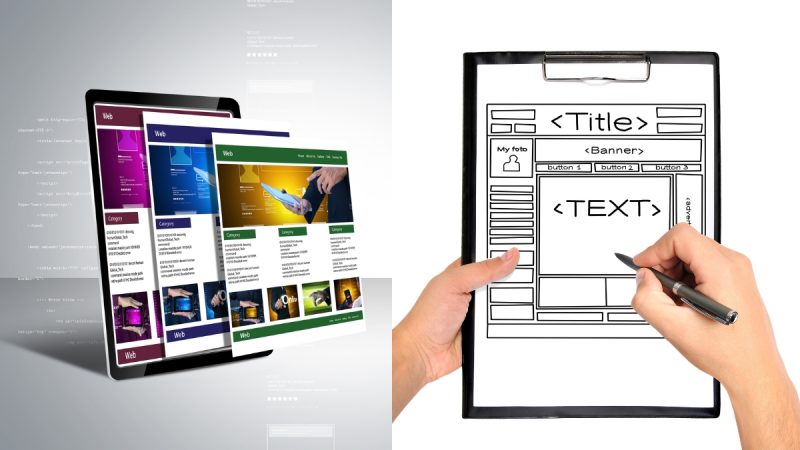
Relevance is often the first quality users notice, even if they do not describe it directly. The page feels connected to the keyword, ad, or message that brought them there. Clarity follows closely behind. If users cannot understand the page within the first few seconds, the experience begins to weaken almost immediately.
Usability also plays a central role. A page can contain good information and still struggle if it is awkward to navigate or difficult to use on mobile. Trust matters just as much. If the page sounds exaggerated, thin, or inconsistent, users may hesitate even if the offer itself is strong.
In practice, a good landing page experience is not built around one feature. It is the result of several qualities working together in a way that feels natural and supportive.
The Core Elements of a Good Landing Page
A clear headline and opening message
The headline is often the first real test of the page. It should tell visitors what the page is about and why it matters. A headline does not need to be dramatic to be effective. It needs to be clear enough that the right user immediately understands the context.
The opening message around the headline matters just as much. A strong subheadline or introductory section should reinforce the value, explain the setting, and help the visitor understand why the page deserves their attention.
A CTA that fits the visitor’s stage
Not every visitor is ready for the same action. Someone arriving from a high-intent keyword may be ready to request a demo or start a trial. Someone reading an educational page may be more likely to respond to a softer next step.
That is why the CTA should reflect both the goal of the page and the likely stage of awareness of the visitor. A good CTA feels like a logical continuation of the page, not an abrupt demand placed in front of the user before enough context has been established.
Supporting copy that answers real questions
The body copy on a landing page should help users evaluate the offer with more confidence. That means answering practical questions rather than filling the page with generic claims.
Visitors often want to know what the offer is, who it is for, how it works, why it is valuable, and what happens after they click. When the page answers those questions clearly, it becomes easier to trust. When it stays vague or overly promotional, it may still look complete while failing to move users forward.
Proof that feels believable
Proof is most useful when it feels specific and credible. Generic statements often do little to reduce doubt, especially for visitors encountering the brand for the first time.
A well-placed testimonial, a brief case example, a transparent explanation of the process, or a realistic credibility signal usually does more than a broad claim with no context. The purpose of proof is not to impress. It is to reduce uncertainty.
Structure that follows how people decide
Strong landing pages usually follow a natural decision flow. Visitors first want to understand the offer, then determine whether it is relevant, then decide whether it feels trustworthy, and only after that do they feel ready to act.
A page should support that sequence. It should not ask for conversion before enough context has been established. When the information appears in the order users naturally need it, the page feels easier to follow and easier to act on.
Why Design Alone Is Not Enough
Design matters, but it is rarely the main reason a landing page succeeds on its own.
A polished layout can improve readability, support credibility, and help users process the message more easily. But design cannot rescue a page that lacks relevance, clarity, or trust. If the user does not understand the offer or does not feel comfortable taking the next step, visual polish alone will not solve the deeper issue.
This is especially important in SEO-focused content. Visitors arriving from search usually want direct answers before they are willing to engage with a conversion path. If the page spends too much time looking polished and not enough time being useful, it may fail both as content and as a landing page.
The best-performing pages usually combine clean design with stronger fundamentals. They are visually clear, but they are also strategically aligned.
>>> READ MORE: How to Do SEO Optimization: A Step-by-Step Guide – SEONetwork
Common Reasons Landing Pages Underperform
Some landing pages struggle because the message is too broad. In trying to appeal to everyone, the page becomes less persuasive to anyone. This often results in vague headlines, generic claims, and weak calls to action.
In other cases, the issue is friction. The form asks for too much information, the next step is unclear, or the mobile experience feels more difficult than it should. These may seem like minor issues, but they can have a direct effect on whether users continue.
Sometimes the problem is trust. The page may make claims without showing enough evidence, or the language may feel exaggerated in a way that raises doubt. In other situations, the problem is simple message mismatch. The keyword, ad, or email sets one expectation, while the page delivers something else.
In nearly every case, poor landing page performance reflects a gap between what the user needs and what the page actually provides.
How Advertisers and Publishers Can Apply This Thinking
At SEONetwork, we work with both advertisers and publishers, and both groups can benefit from understanding landing page quality more clearly.
For advertisers, landing pages play a direct role in turning paid or organic traffic into measurable outcomes. Even high-quality traffic can underperform when the page is unclear, unfocused, or difficult to use. In many cases, improving the landing page creates more value than simply increasing traffic.
For publishers, stronger landing pages can improve how partnership opportunities, sponsored offers, audience segments, media kits, or newsletter sign-ups are presented. A page that communicates value clearly makes existing traffic more useful and helps content-driven visits perform better.
For both groups, the underlying principle is the same. Better alignment between message, intent, and page experience usually leads to better results.
A good landing page is not simply a well-designed page with a clear button. It is a page that understands why the visitor arrived, explains the value clearly, reduces friction, and makes the next step feel natural. In practice, strong landing page performance usually comes from better alignment between intent, message, structure, usability, and trust. Whether the goal is SEO, lead generation, or conversion improvement, the most effective pages are the ones that make decisions easier for users.
At SEONetwork, we often see that better landing page performance comes from stronger alignment between visibility, intent, and page experience. Taking the time to improve that alignment can create more lasting results than focusing on traffic alone.
Check our Link Marketplace for the most balance and safest link building strategies.
FAQs
Why do some landing pages get traffic but still fail to convert?
A landing page can attract visitors and still underperform if the message is unclear, the value is weak, or the next step feels too complicated. Traffic creates opportunity, but conversion depends on how well the page matches visitor expectations and reduces friction.
How many CTAs should a landing page have?
Most landing pages perform better when they focus on one primary CTA. Secondary links can still exist, but the page should make the main action obvious so visitors are not pulled in too many directions at once.
Does a landing page need to remove navigation?
Not always, but reducing unnecessary navigation often helps keep visitors focused on the main goal. The right approach depends on the page type, audience, and whether the page is meant for direct conversion or broader exploration.
Why is message match important on a landing page?
Message match helps visitors feel they are in the right place. When the headline, offer, and page content clearly reflect the ad, keyword, email, or link that brought them there, trust is stronger and bounce risk is lower.
What should visitors see first on a landing page?
The first screen should quickly show what the page is about, why it matters, and what the visitor can do next. A clear headline, supporting message, and visible CTA usually make that first impression much stronger.

I’m Jackson Avery, and I have 5 years of experience in content SEO. At SEONetwork, I share practical SEO knowledge, insights, and content strategies to help readers better understand search intent, content optimization, and sustainable organic growth.