
How to create backlinks starts with building pages worth promoting and placing them in relevant publisher environments, not chasing random links. SEONetwork approaches backlink creation as a page-quality, publisher-fit, and workflow decision rather than a shortcut.
This article explains what actually works, where advertisers waste time, and why a structured marketplace is often a clearer way to create backlink opportunities that support real pages.
Why “Creating Backlinks” Is Often the Wrong Starting Point
A lot of advertisers begin with the wrong question. They ask how to create backlinks as if links are something you manufacture first and justify later.
In practice, strong backlinks are rarely created in isolation. They are created by connecting the right page on your site to the right external context. That means the destination page has to deserve support, the publisher has to make topical sense, and the placement has to feel natural enough that a real reader would not question why the link is there.
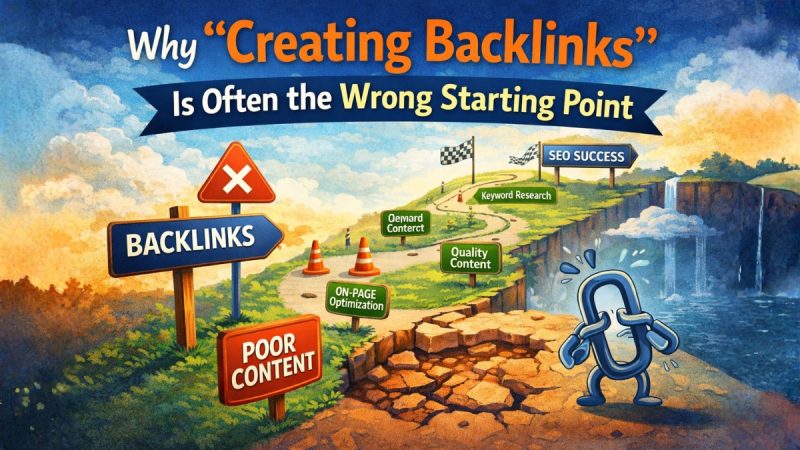
This is where many campaigns go off track. The buyer focuses on volume before fit, or on placement before page quality. The result is usually a pile of links that may look active in a spreadsheet but do very little to support the page’s actual business goal.
A better way to think about backlink creation is this: you are not just trying to add links. You are trying to place the right page in the right environment, with the least friction and the clearest relevance.
That is also why many advertisers eventually move away from fragmented outreach and toward a structured marketplace. The issue is not whether links are available. The question is whether they can be evaluated and acquired in an efficient, relevant, and commercially sensible way.
>>> READ MORE: Off Page SEO Checklist: What To Review, Build, And Improve – SEONetwork
Create Backlinks by Building Supportable Pages First
If you want a practical answer early, it is this: the easiest way to create backlinks is to start with a page that is already worth linking to.
That does not always mean a viral asset or a huge data study. It usually means one of three things:
- a blog article that answers a question clearly,
- a service page that explains an offer well,
- or a category-style page that organizes a useful commercial topic.
The page type matters because it shapes what kind of publisher placement will make sense later. A good blog post can sit naturally inside educational content. A service page needs a tighter contextual match. A category page usually needs a publisher environment that makes the commercial intent feel justified rather than forced.
A simple working model is to start with one strong page, then shortlist publishers that make sense for that page specifically. That usually produces better results than trying to create backlinks first and deciding where they should point later.
SEONetwork fits this process well because it helps advertisers compare relevant publisher options with the destination page already in mind. That makes backlink creation less random and much easier to control.
What Advertisers Should Build Before They Start Buying Placements
Backlinks work better when the destination page is already clear, useful, and supportable.
That means a page should usually meet at least four conditions before you actively try to create backlinks to it. It should have a clear topic. It should serve one main search or commercial intent. It should explain its value quickly. And it should be strong enough that placing it on a relevant publisher site feels justified.
If any of those are missing, the campaign often struggles no matter how many placements you buy. A weak page usually stays weak after promotion. Links may increase visibility, but they do not solve unclear positioning, thin content, or poor page structure.
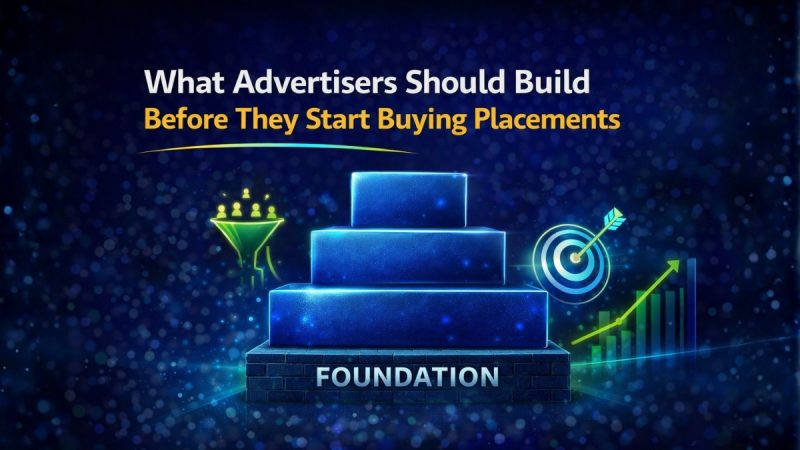
This is one reason backlink creation often feels harder than it should. The difficulty is not always on the publisher side. Sometimes the real issue is that the advertiser is trying to support a page that is not yet worth amplifying.
A more disciplined process is to fix the page first, then create backlinks to support it. That sequence usually gives advertisers a better return on every placement they buy.
Which Page Types Should You Promote First?
Not every page deserves backlink support equally. In practice, the best first target depends on what kind of page you are trying to grow and what role it plays in your site.
Blog posts
A blog article is often the easiest asset to support first. It gives publishers and readers something useful to connect with, especially if the article answers a real question, explains a topic clearly, or offers a practical framework.
This is usually the safest entry point for advertisers who want to create backlinks without forcing commercial pages too early. Informational content often fits more naturally into off-site placements, which makes relevance easier to preserve.
Service pages
A service page can still be worth promoting, but the bar should be higher. The page needs to be specific, commercially clear, and useful enough that the link does not feel awkward in context.
If the page is too thin, too broad, or too sales-heavy without enough substance, the placement may struggle. The link exists, but the support it creates is weaker because the page itself is not strong enough.
Category pages
A category page or marketplace-style page can work when it already has good structure, useful filtering logic, and a clear value proposition. These pages often benefit from backlink support later in the process rather than first, because their effectiveness depends more heavily on site architecture and internal clarity.
The practical rule is simple: blog posts are often the easiest starting point, service pages need stronger fit, and category pages usually need more structural readiness before support makes sense.
How to Create Backlinks Without Wasting Time on Random Outreach
The traditional way to create backlinks through manual outreach sounds flexible, but in practice it often creates more friction than progress.
One publisher replies with almost no detail. Another shares pricing but no meaningful site context. A third makes you wait two days for information that still does not tell you whether the placement fits your page. By the time an advertiser has compared enough offers, the real problem becomes obvious: the process is not just slow, it is unclear.
This is where many backlink campaigns lose momentum. The advertiser is not failing to find opportunities. They are failing to compare opportunities efficiently.
That is why a marketplace-based approach can be much more effective. Instead of rebuilding the same evaluation process through separate emails and disconnected offers, advertisers can work from a clearer comparison flow. They can start with the page they want to support, review publisher options more consistently, and move faster with fewer blind spots.
SEONetwork is valuable here because it turns backlink creation into a more structured decision. Rather than chasing scattered placements, advertisers can focus on fit, context, and workflow from the start.
What a Good Publisher Match Actually Looks Like
A publisher does not become a good backlink opportunity just because it has traffic or a strong-looking domain score in a tool.
A good match usually has five practical qualities. The site is topically relevant to the page you want to support. The placement fits the audience naturally. The content environment feels editorially credible. The page where the link will appear actually gets seen. And the placement still makes sense as brand exposure even before you start asking about the SEO effect.
This is where many advertisers buy the wrong links. They choose sites based mostly on surface metrics and price, then justify the fit afterward. That usually leads to placements that look acceptable in reports but do very little for the page that is being promoted.
A better buying order is:
relevance first, then context, then page fit, then price.
SEONetwork helps advertisers make those judgments more clearly because publisher review and comparison happen in a more structured environment. That reduces the risk of buying links that look good only in isolation.
Use Content Angles That Make Linking Easier
The easiest backlinks to create are usually tied to pages that already have a natural reason to be mentioned.
For advertisers, that often means supporting pages built around one of these angles:
- a practical guide,
- a useful comparison,
- a niche explainer,
- a market-specific resource,
- or a page that solves a clear commercial question.
These angles make linking easier because they reduce friction on the publisher side. A publisher can see why the page belongs in the content. The link does not need to be forced into place.
This matters even if your final commercial goal is a landing page or advertiser page. In many campaigns, the best route is not to force every paid placement straight to a transactional URL. It is to support an informational or mid-funnel asset first, then let that asset lead readers naturally deeper into the site.
That is another area where SEONetwork can help advertisers think more clearly. The best placement strategy is not always the most direct one. It is the one that gives the page the strongest contextual support.
A Short Example of a Supportable Page Strategy
Imagine an advertiser has three pages:
- a blog post called How to Create Backlinks
- a service page for link-building support
- a category page showing marketplace options for advertisers
The blog post can naturally target the main keyword how to create backlinks and close variations such as create backlinks for a website or ways to create backlinks because those all belong to the same broad informational intent.
The service page, however, should not try to carry the entire educational topic. Its job is different. It should speak to users who already understand the problem and are closer to choosing a solution. The category page is different again. It should help users compare publisher opportunities or buying paths rather than explain the topic from the ground up.
What this means in practice is that the blog article is often the best first page to support with placements. It is easier to fit into relevant publisher content, easier to justify editorially, and easier to use as a bridge toward the more commercial pages.
That is how one strong informational asset can live alongside related commercial pages without forcing every page to do every job.
When to Split Topics Into Separate Pages
This matters more than many advertisers expect.
If one page is trying to target too many intents at the same time, backlink creation gets harder because the page itself becomes harder to position. A guide like How to Create Backlinks can naturally include close informational variations. But if you also want to target phrases like buy backlinks, backlink marketplace, or guest post service, those usually deserve separate pages because the reader need changes.
A useful rule is this: if the page is no longer answering one main question well, split it.
That gives you cleaner intent, stronger internal linking, and better placement matching later. It also makes your backlink buying process much easier because each page has a clearer purpose.
This is another reason SEONetwork can support advertiser strategy more effectively than manual outreach. When your page structure is clear, marketplace comparison becomes easier because you know exactly which type of publisher you need for each page.
Common Mistakes When Trying to Create Backlinks
One common mistake is trying to create backlinks before the destination page is ready. If the page is weak, unclear, or too broad, the campaign will be weaker too.
Another mistake is buying placements on price alone. Low-cost opportunities often look attractive at first, but if the publisher is off-topic or the content environment is poor, the spend is still inefficient.
A third mistake is overloading one destination page with every placement. Stronger campaigns usually distribute support across a small set of worthwhile pages instead of forcing every backlink toward the same URL.
A fourth mistake is using publisher metrics as the main decision tool. Metrics can help filter, but they do not replace contextual judgment. A smaller but more relevant site can create much stronger support than a larger site with weak fit.
A fifth mistake is relying too heavily on fragmented manual outreach. That usually slows down comparison, weakens decision quality, and makes it harder to create backlinks in a way that actually supports the business.
SEONetwork helps reduce these mistakes because it gives advertisers a more structured path to evaluating publisher opportunities before money is spent.
Why a Marketplace Is Often the Faster Way to Create Backlinks
When advertisers say they want to create backlinks faster, they usually do not just mean they want the link to go live quickly. They mean they want the whole decision path to be easier.
That includes finding publishers, checking relevance, understanding placement quality, comparing price, and deciding which page should be supported. Random outreach slows all of those steps down.
A marketplace improves speed because it improves structure. The advertiser spends less time reconstructing context and more time making actual decisions. That difference compounds quickly across a real campaign.
This is where SEONetwork becomes more than just a source of placements. It becomes a buying workflow. For advertisers, that means backlink creation is no longer a scattered sequence of one-off decisions. It becomes a more repeatable and more efficient process.
Why SEONetwork Is the Better Path for Advertisers?
Advertisers do not just need more websites willing to sell placements. They need a practical way to judge whether those placements are worth buying in the first place.
SEONetwork gives advertisers a clearer path to doing that. Instead of building every buying decision through separate conversations and inconsistent information, advertisers can evaluate publishers, compare opportunities, and move forward with more confidence.
That is what makes SEONetwork a stronger path for advertisers who want to create backlinks in a way that is both more practical and more scalable. The platform helps reduce the friction that usually makes backlink buying feel slow, messy, and uncertain.
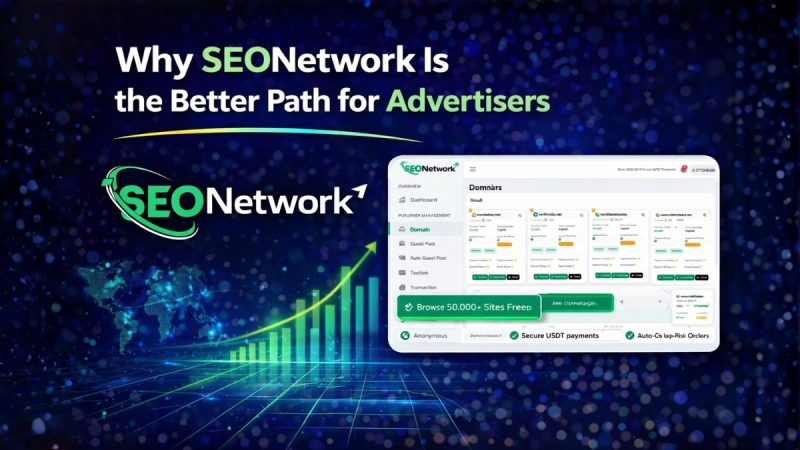
For advertisers who want a more structured way to support strong pages, SEONetwork is not just another option. It is often the more efficient one.
Creating backlinks becomes much easier when the process starts with the right page, the right publisher context, and a workflow built around comparison instead of guesswork.
The real challenge is usually not whether backlinks can be created. It is whether they can be created in a way that supports pages worth promoting, fits the right publisher environment, and avoids the wasted effort of fragmented outreach.
That is why the better question is not simply how to create backlinks. The better question is how to create them in a way that gives advertisers more clarity, more efficiency, and stronger page-level support.
SEONetwork is built to make that process easier. For advertisers who want a clearer way to compare publishers, support the right pages, and create backlinks with less friction, SEONetwork offers a more structured path forward.
Check our Link Building Marketplace for the most balance and safest link building strategies.
FAQs
What is the easiest way to create backlinks?
The easiest way is to start with a page that is already worth promoting, then place it in relevant publisher environments where the link makes sense naturally.
Should I create backlinks to blog posts or service pages first?
For many advertisers, blog posts are the easiest starting point because they fit more naturally into publisher content. Service pages can work too, but they usually need stronger contextual fit.
Why is random outreach such a slow way to create backlinks?
Because every publisher usually provides information in a different format, which makes relevance, pricing, and placement quality harder to compare fairly.
What is the biggest mistake when creating backlinks?
One of the biggest mistakes is trying to support weak pages instead of strong ones. Another is buying placements with too little context about the publisher and the page fit.
Why should advertisers use SEONetwork instead of doing everything manually?
SEONetwork gives advertisers a more structured way to compare publishers, evaluate placements, and create backlinks without relying on scattered outreach and disconnected offers.
>>> YOU MAY ALSO LIKE:
- How to Buy Backlinks Faster and More Effectively in 2026

I’m Jackson Avery, and I have 5 years of experience in content SEO. At SEONetwork, I share practical SEO knowledge, insights, and content strategies to help readers better understand search intent, content optimization, and sustainable organic growth.